Teaching
Teaching and workshops
Classes include improvisation, ballet, and contemporary dance technique for professional companies and intermediate and advanced students, physical preparation and functional recuperation, and workshops in choreography.
01
Workshops
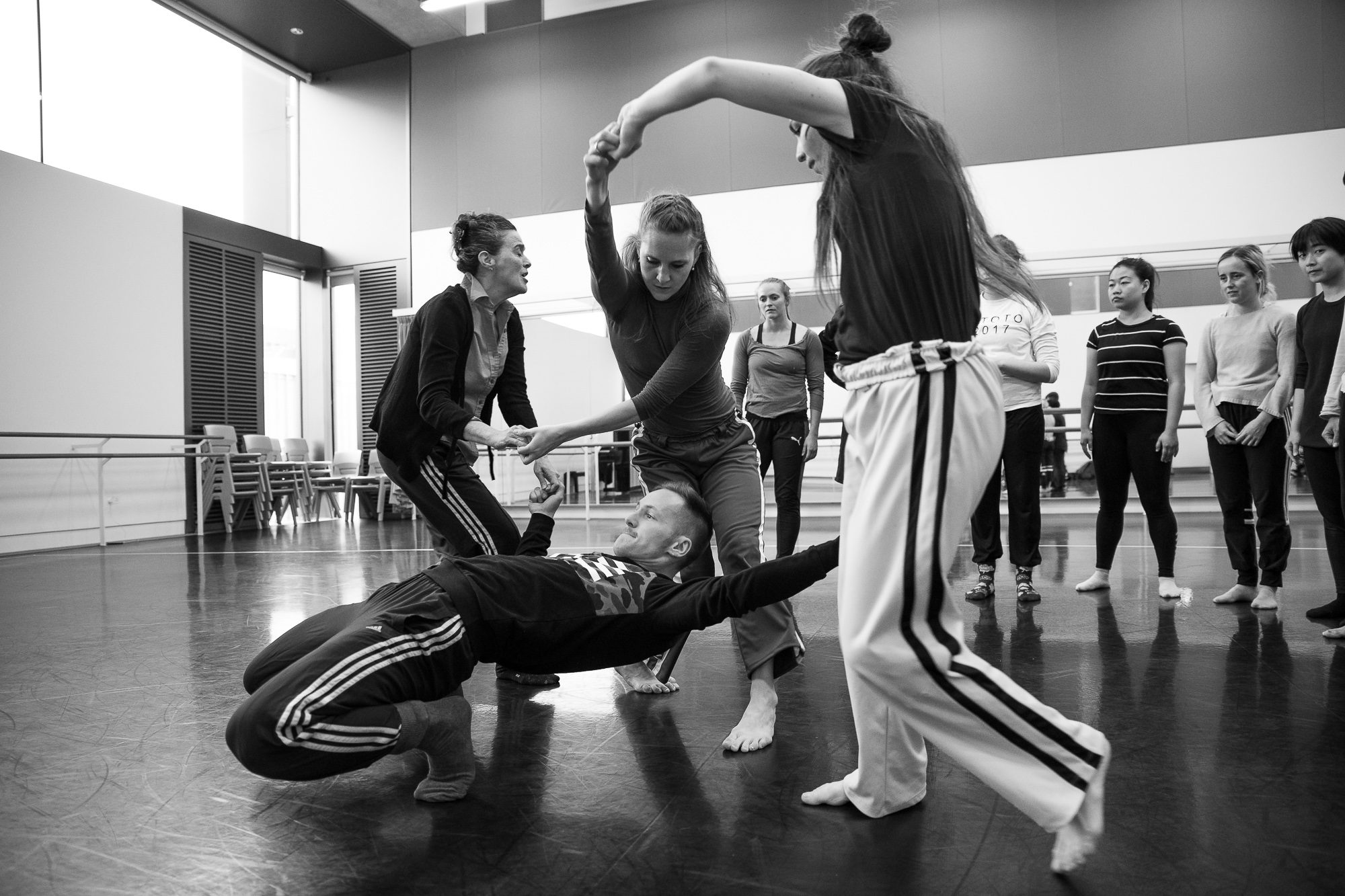
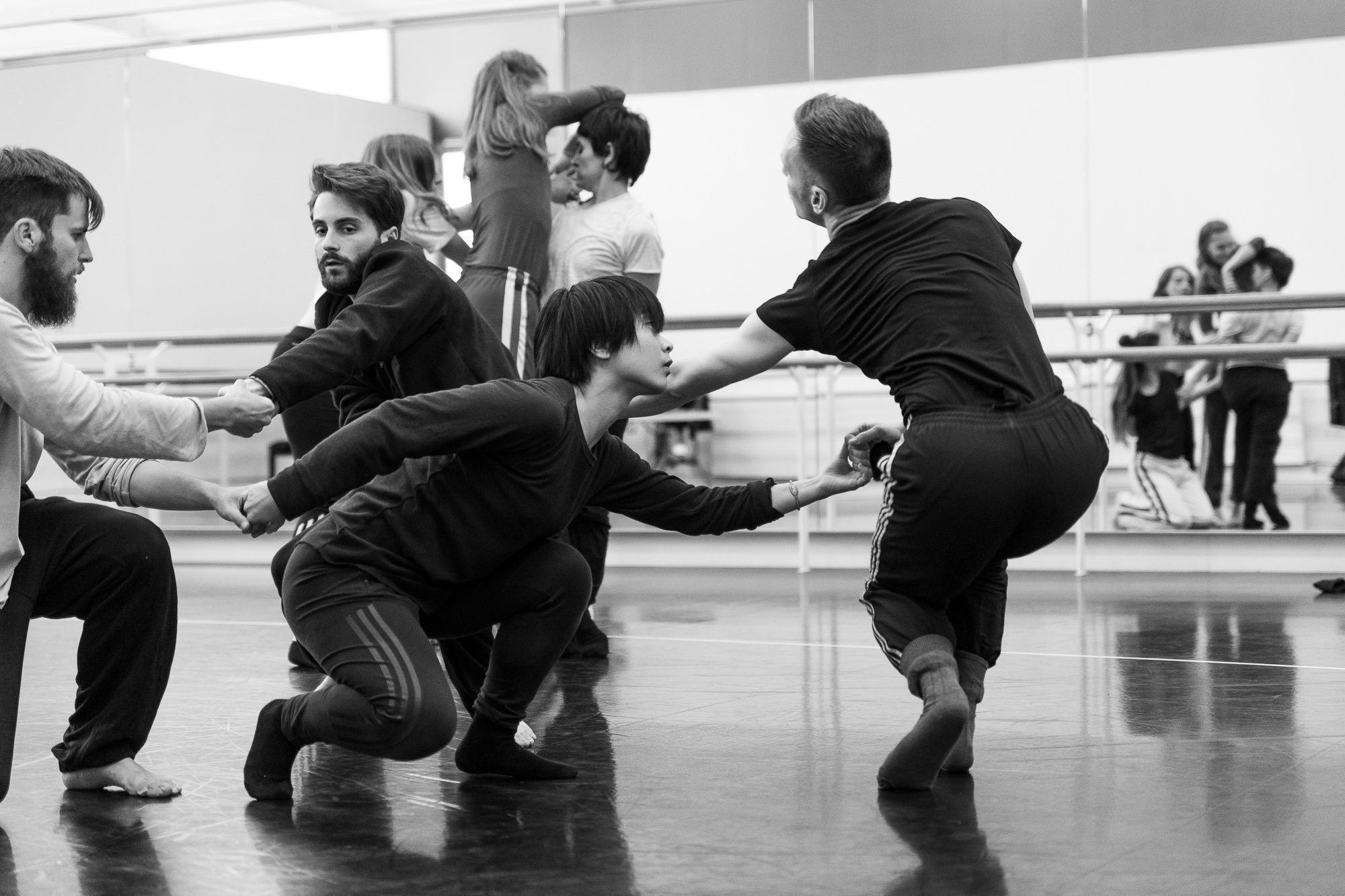
I offer workshops in improvisation and choreographic creation. My improvisation strategies include contemporary group partnering, a form that I call Threading, in which dancers remain connected throughout. This develops heightened listening skills and establishes deep and intuitive connections; thus, dancers tap into intuitive and instinctive movement choices. I also use a form I call The Great Escape, which invites risk and trust and trains the ability to respond swiftly and with agility to changing situations.
I deliver workshops for highly skilled professionals and vocational students.
I can also work with community and amateur dance groups of all ages, including Over 60’s groups. I apply some of the same basic principles, adjusting the physical and technical demands, and often with surprising outcomes.
02
Improvisation for Ballet Dancers
Ballet dancers are increasingly needing to develop improvisation skills for working with choreographers who devise work in collaboration with the dancers. Not only this, improvisation-as-training gives a range of tools for the performing dancer who becomes more in tune with themselves and their colleagues. My method works with tangible and practical tools that take away the fear and judgement that can often arise for classical dancers. Classical ballet training is highly perfectionistic, codified, and controlled. Dancers use their technical skills and learn how to trust intuitive decision making, as well as developing a broader palette of movement possibilities.
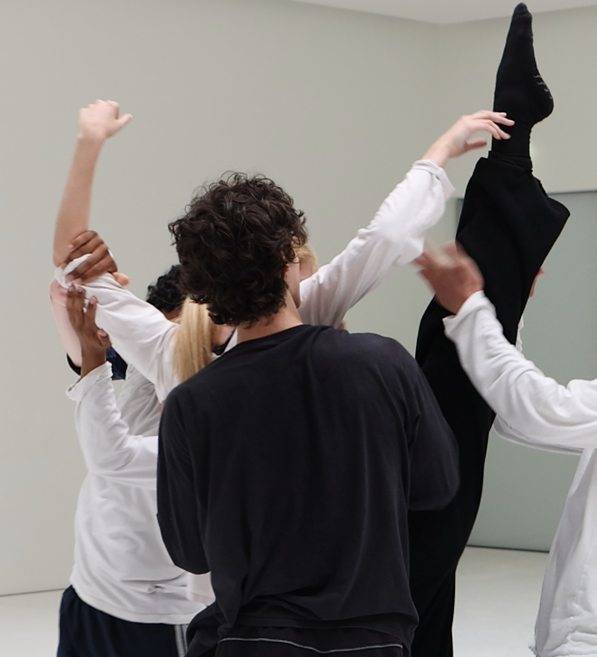
I use my group partnering, Threading, as one of the ways in to learning about listening, agency, letting go, and following a lead, all fundamental elements of true improvisation.
03
Dance Classes – Contemporary and Ballet
My own training background has included Modern dance techniques, Ballet, technical Jazz, Release, and a host of other disciplines, from somatic work through to functional recuperation. I draw from all of this experience to design classes to suit the needs of any particular circumstance. I can prepare company dancers for performance or rehearsal, and I teach vocational students.
My approach to teaching ballet is anatomical, and I find that when the dancer works with accuracy with their own particular physical facility, including their current limitations, that not only do they improve in their execution of the ballet vocabulary, but that the human being that they are emerges with luminosity. When a body is forced into positions it is either not designed for, or not ready for, a light is also switched off, and we see the difficulty rather than the performer. In adjusting alignment and positioning of the legs and arms, the dancer can work with greater efficiency and that desirable illusion of ease.
04
Physical Preparation and Body Work
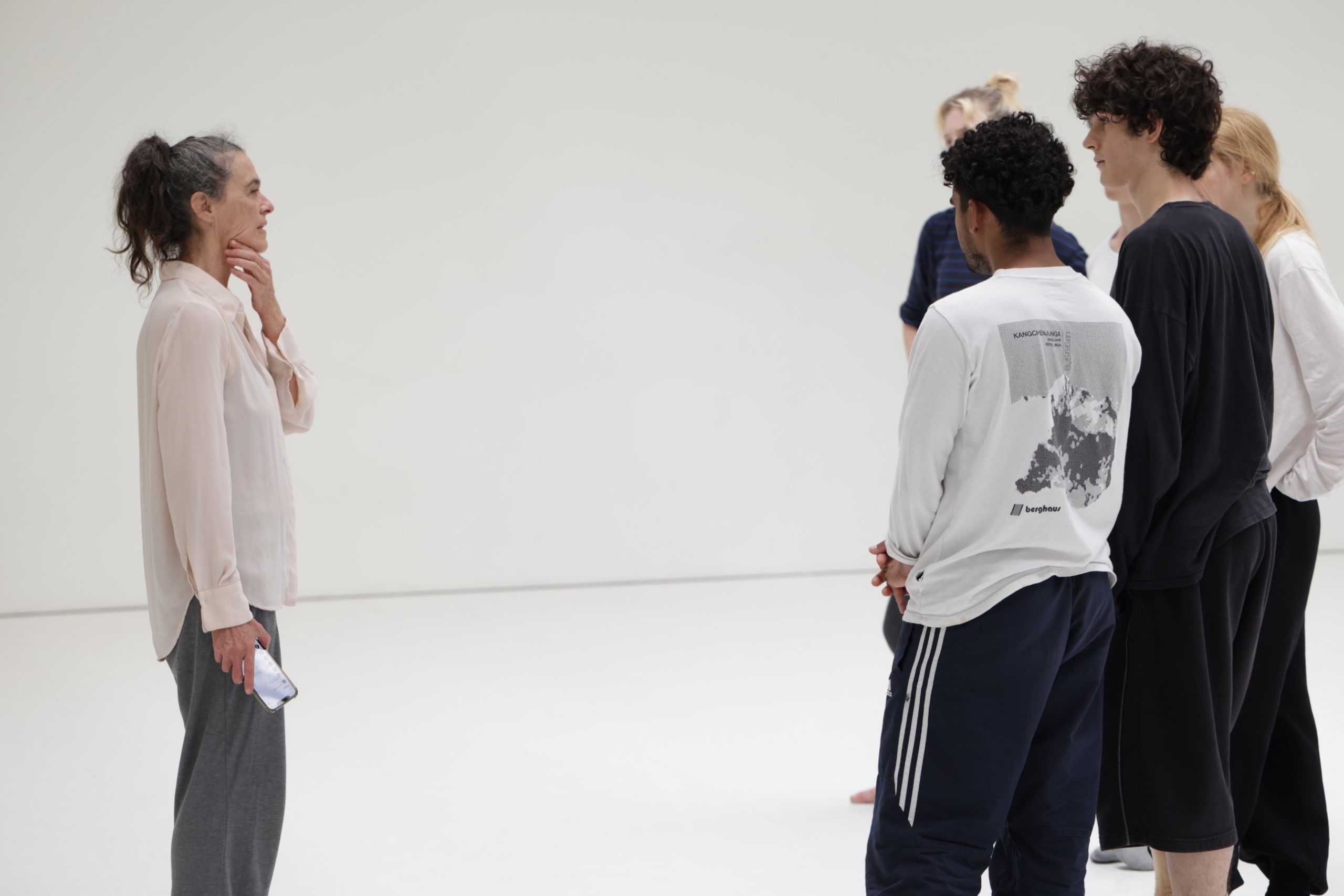
I trained extensively with a brilliant Olympics Gymnastics trainer in Spain, in functional recuperation. Having recuperated from many injuries myself, I found in Jaume Mirò a true guide to working with the body. I have studied anatomy, and a host of other elements in physical training, and have developed a very finely tuned eye to see what’s going on in someone’s body. I will often include some functional recuperation at the beginning or end of classes or workshops. I can design bespoke packages for groups and individuals.
Physical Preparation and Body WorkPhoto: Maria Andrews
Classes are coherent and body-friendly, based on a synthesis of knowledge acquired over nearly forty years of dance practice. They are designed to make the execution of highly technical movement as easy and well coordinated as possible, and draw on all the major formal dance techniques alongside somatic practice, release, and physical preparation.